Japan Itineraries
Sample routes to help you start planning your Japan holiday
There is no single right way to travel around Japan, and the best itinerary depends on how long you have, how much you want to move around, the time of year you are travelling and the kind of experiences that matter most to you.
The sample itineraries below are simply a starting point. They are there to help you picture how a Japan trip can fit together, how many places might be realistic in the time you have and where it can be worth slowing things down rather than trying to squeeze too much in.
You might like the shape of one route but want to swap Hakone for Lake Kawaguchiko, spend longer in Kyoto, add a few days in the Japanese Alps, or finish somewhere completely different. That is exactly how we would approach it.
At Rockhopper Holidays, every Japan itinerary can be tailored around you, so these examples are not fixed packages. Think of them as ideas to get you started, and then we can build from there.
Start planning your Japan holiday
10 Days in Japan: Tokyo, Hakone and Kyoto
Tokyo – Hakone – Kyoto
If you have around ten days for your first trip to Japan, we would resist the temptation to fit in too much. Tokyo and Kyoto are both places where you could easily spend several days, and adding one contrasting stop in between gives you a much better balance than trying to race through five or six destinations.
Start with four nights in Tokyo, which gives you enough time to explore several different parts of the city without trying to cover everything in one day. You could spend time around Shibuya and Harajuku, explore Asakusa and the older side of Tokyo, visit one of the city’s museums or digital art experiences, and still have room for an evening food tour or a day trip.
From Tokyo, spend a night in Hakone. This works particularly well if you would like to stay in a traditional ryokan, use an onsen and see a completely different side of Japan after the scale and energy of Tokyo.
Then continue to Kyoto for four nights. That gives you time for the famous temples and shrines, but also for neighbourhoods, food, gardens and perhaps a day trip to Nara or Uji.
This is a relatively simple route, but for a first Japan holiday that can be a real advantage. You spend more time experiencing each place and less time checking in and out of hotels.
Suggested route:
Tokyo 4 nights → Hakone 1 night → Kyoto 4 nights
14 Days in Japan: A Classic First-Time Route
Tokyo – Hakone – Kyoto – Hiroshima & Miyajima – Osaka
Two weeks gives you much more flexibility and is probably the point at which a first Japan itinerary can start to include some real contrasts without becoming too rushed.
We would still begin with Tokyo, allowing around four nights. From there, travel to Hakone for a ryokan stay before continuing on to Kyoto for four nights.
After Kyoto, head west to Hiroshima. The city itself is worth time for the Peace Memorial Park and Museum, but I would also include Miyajima, where the famous torii gate sits just offshore and the atmosphere is completely different from the major cities.
Finish in Osaka for a couple of nights. Osaka is less about ticking off traditional sights and more about food, nightlife and enjoying the city itself, so it works particularly well at the end of a trip when you may want something a little less structured.
If flights work better from Tokyo, this route can easily be adapted, but where possible I like an open-jaw itinerary that arrives in Tokyo and departs from Osaka. It avoids unnecessary backtracking and makes better use of the time you have.
Suggested route:
Tokyo 4 nights → Hakone 1 night → Kyoto 4 nights → Hiroshima/Miyajima 2 nights → Osaka 2 nights
3 Weeks in Japan: Cities, Mountains and Western Japan
Tokyo – Japanese Alps – Kyoto – Hiroshima & Miyajima – Kyushu
With three weeks, Japan starts to open up much more. You can still include the places most first-time visitors want to see, but you also have enough time to move beyond the classic Tokyo and Kyoto route.
Begin with Tokyo before heading into the Japanese Alps. Takayama works particularly well if you are interested in traditional streets, mountain scenery, sake breweries and a slower pace. Depending on the route, you could also include Kanazawa, Shirakawago or both.
From there, continue to Kyoto for several nights before travelling west to Hiroshima and Miyajima.
Rather than finishing in Osaka, a three-week trip gives you the opportunity to continue into Kyushu. This part of Japan is often overlooked by first-time visitors, but it can be one of the most rewarding additions to a longer itinerary. Nagasaki has a fascinating international history, while areas around Kagoshima, Kumamoto and the volcanic landscapes of central Kyushu offer something very different again.
The important thing with a longer trip is not simply adding more stops because you have more days. We would still build in stretches of three or four nights where possible so that the itinerary has some breathing room.
Suggested route:
Tokyo 4 nights → Japanese Alps 3 nights → Kyoto 4 nights → Hiroshima/Miyajima 2 nights → Kyushu 5–6 nights
Beyond the Classic Route: A Different First Trip to Japan
Tokyo – Aizu or the Japanese Alps – Kanazawa – Kyoto
Not everyone wants their first Japan trip to follow exactly the same route. You can still include Tokyo and Kyoto while using the middle of the journey to explore somewhere that gives you a very different experience of the country.
One option is to head north from Tokyo towards Aizu, an area associated with samurai history, mountain scenery and traditional towns. Another is to travel through Takayama and Kanazawa, where you can combine historic districts, gardens, food and a more manageable city scale before continuing on to Kyoto.
This type of itinerary suits travellers who are interested in Japanese history and culture but would rather spend less time in the largest cities. It can also work particularly well for people returning to Japan who have already seen the classic highlights.
The route takes a little more planning than a straightforward Tokyo to Kyoto journey, but that is often where a tailor-made itinerary becomes most useful.
Suggested route:
Tokyo 4 nights → Aizu or Takayama 2–3 nights → Kanazawa 2 nights → Kyoto 4 nights
Japan at a Slower Pace
Tokyo – Kyoto – One countryside or onsen stay
You do not have to move around constantly to have a varied Japan holiday. For some travellers, the best itinerary is simply a longer stay in Tokyo, a longer stay in Kyoto and one carefully chosen stop in between. That might be Hakone, Lake Kawaguchiko, Kinosaki Onsen or somewhere in the Japanese Alps.
With fewer hotel changes, you have much more freedom to take day trips, change plans depending on the weather and explore neighbourhoods properly rather than always thinking about the next train.
This approach can work particularly well if you prefer a more relaxed holiday, are travelling with a lot of luggage or simply know that moving hotel every couple of nights is not how you like to travel.
A Japan itinerary does not need to be complicated to be memorable. Sometimes choosing fewer places, but choosing them well, gives you a much better trip.
Suggested route:
Tokyo 5 nights → Onsen or countryside stay 2 nights → Kyoto 5 nights
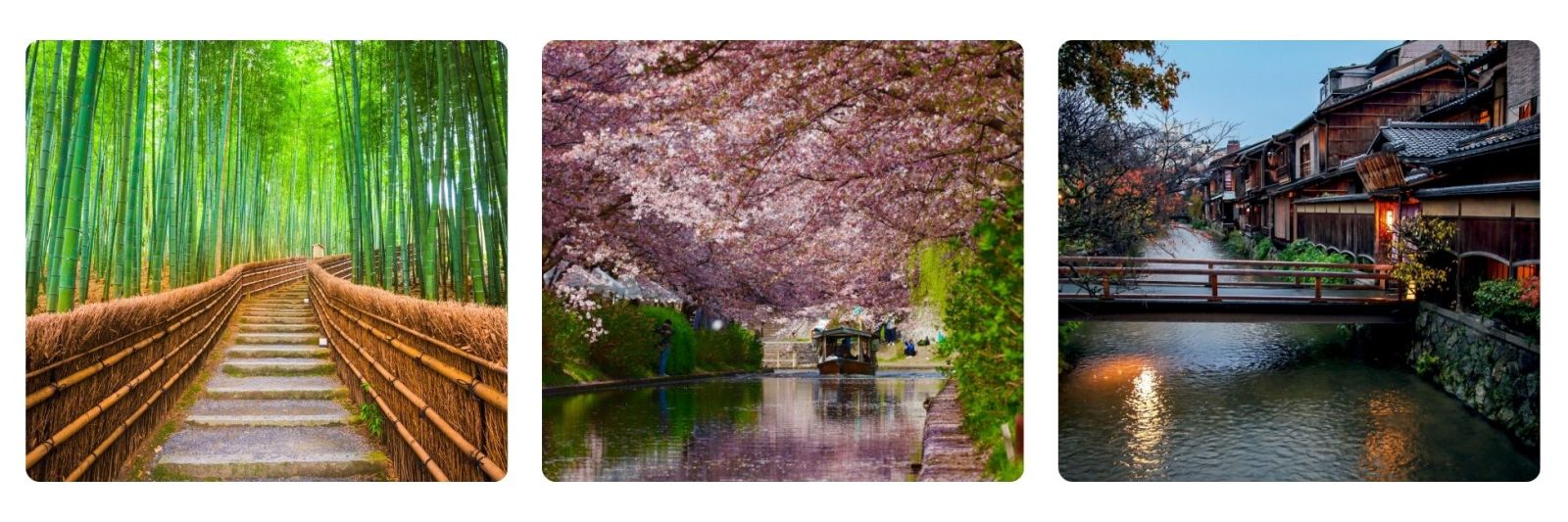
How long do you need in Japan?
For a first trip to Japan, I would usually suggest at least 10 nights, although 12 to 14 nights is often better.
A 10-night Japan holiday can work if you keep the route focused, usually with Tokyo, Kyoto and Osaka or Tokyo, Kyoto and Hakone.
A 14-night Japan holiday allows more space for additions such as Hiroshima, Miyajima, Nara, Hakone or a deeper stay in one city.
A 21-night Japan holiday gives room for a more ambitious itinerary, perhaps including Hokkaido, Kyushu, Okinawa, the Japanese Alps or a more relaxed route for grown-up travellers.
Trying to see too much in too little time is one of the most common Japan planning mistakes. A good itinerary should leave you feeling excited by what you have experienced, not exhausted by what you tried to fit in.
Best time to visit Japan
Japan can be visited year-round, but the best time depends on the type of trip you want.
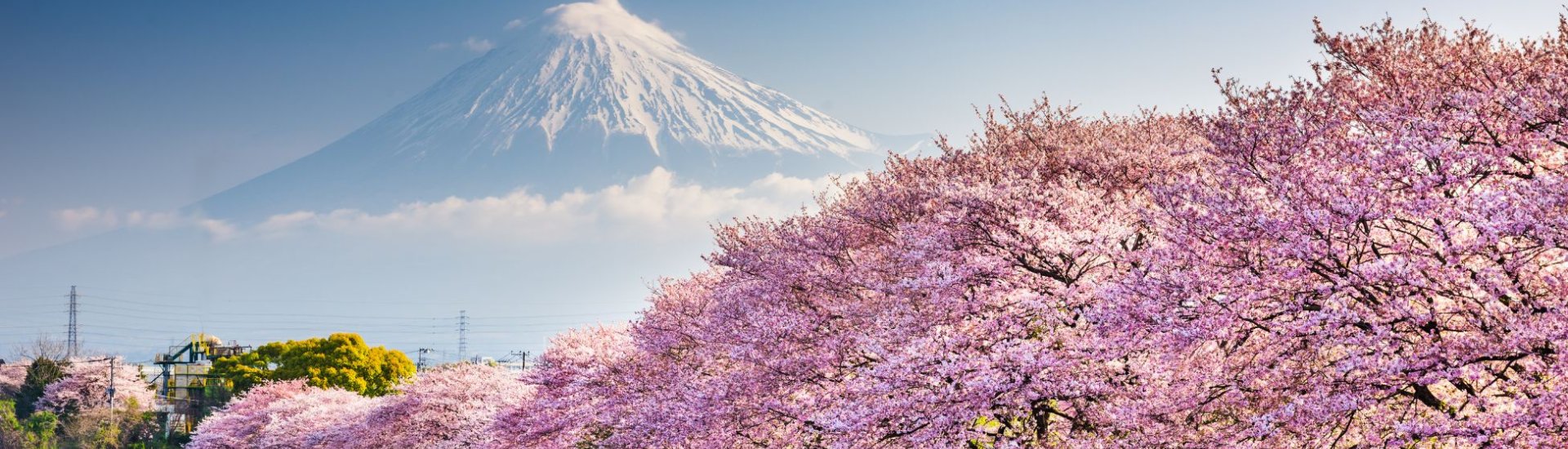
Spring is famous for cherry blossom, although it is also one of the busiest and most expensive times to travel. The blossom is beautiful, but the trip needs to be planned carefully, with realistic expectations around crowds and hotel availability.
Autumn is one of the best times to visit Japan, with cooler temperatures, autumn colour, good sightseeing conditions and a wonderful atmosphere in gardens, temples and mountain areas.
Summer can work for families restricted to school holidays, but it is hot and humid in many parts of Japan. The itinerary needs to be planned with care, and destinations such as Hokkaido may be worth considering.
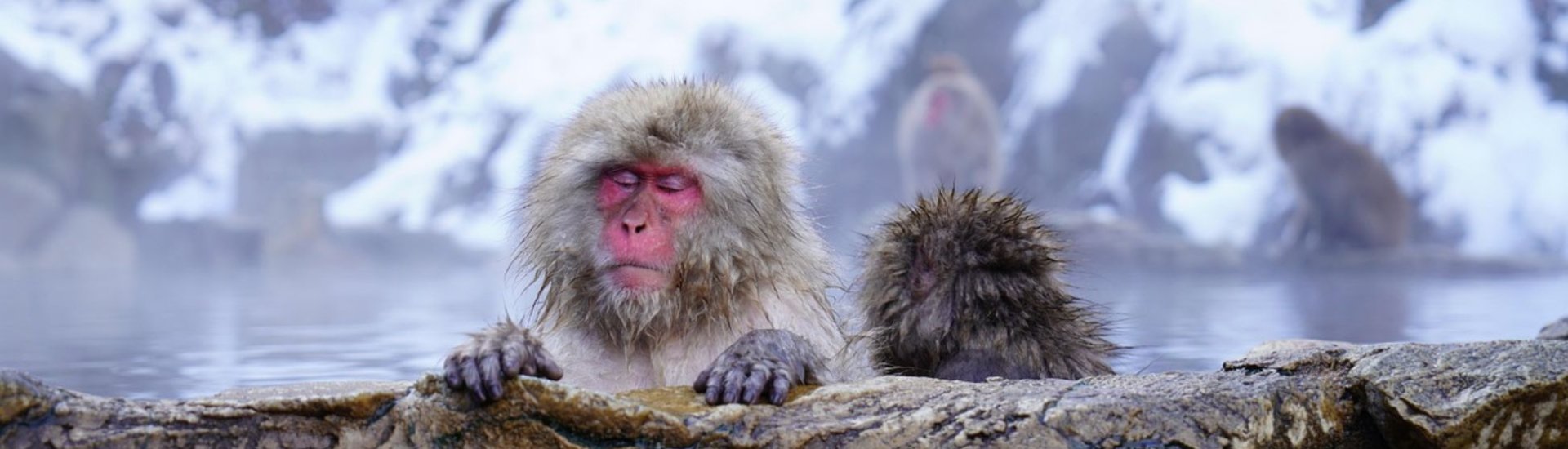
Winter can be excellent for skiing, hot springs, winter scenery, food, cities and fewer crowds in some areas. It is also a good time to consider Hokkaido or the Japanese Alps.
Need something different?
Every Rockhopper Holidays journey is tailor-made. If you have a particular Japan route, hotel style, celebration, family requirement or special interest in mind, just tell us.
We can help with classic first-time Japan itineraries, family holidays, honeymoons, retirement trips, grown-up family adventures, cherry blossom holidays, autumn colour trips, food-focused itineraries, cultural journeys and more unusual routes beyond the standard Tokyo, Kyoto and Osaka combination.
So, whether you are dreaming of your first Japan holiday, a family adventure, a honeymoon, a milestone trip or a more complex tailor-made itinerary, we can help you plan it properly from the start. Tell us who is travelling, when you would like to go and what kind of Japan holiday you have in mind. We will help you narrow down the options and create a tailor-made Japan itinerary that feels considered, exciting and right for you.
Start planning your Japan holiday
Book a call with Rockhopper Holidays
Explore Japan Destinations
Once you have a rough idea of the kind of route you are interested in, the next step is deciding which places actually suit you.
Use the tabs below to explore some of the destinations we most often include in tailor-made Japan holidays and see which ones might fit your trip.
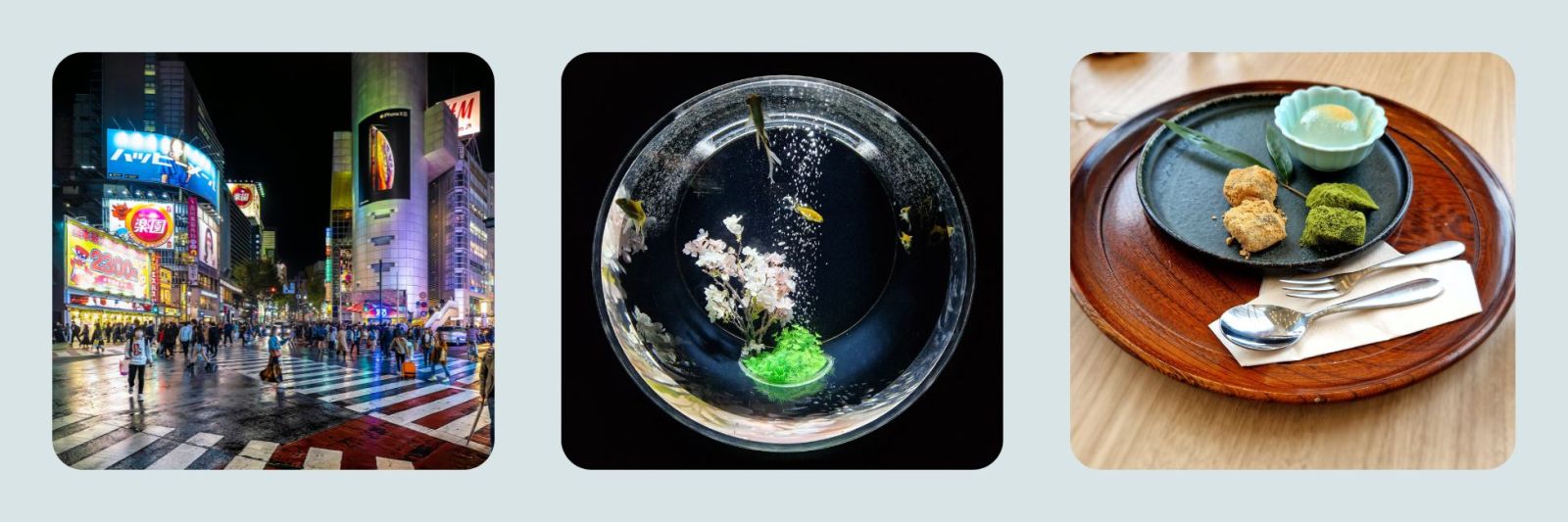
Tokyo is often the best place to start a first Japan holiday. It is vast, energetic and fascinating, but it becomes much easier to enjoy when you choose the right hotel area and avoid trying to see everything at once.
A Tokyo stay might include Shibuya, Shinjuku, Asakusa, Ginza, Ueno, Harajuku, teamLab, food tours, gardens, observation decks, museums, shopping, street food and day trips. Families may want to include Tokyo DisneySea or interactive experiences, while couples and older travellers may prefer neighbourhood exploring, gardens, food, art and private guiding.
Tokyo works best when it is planned by area rather than by a long list of sights. That helps avoid spending too much time crossing the city.
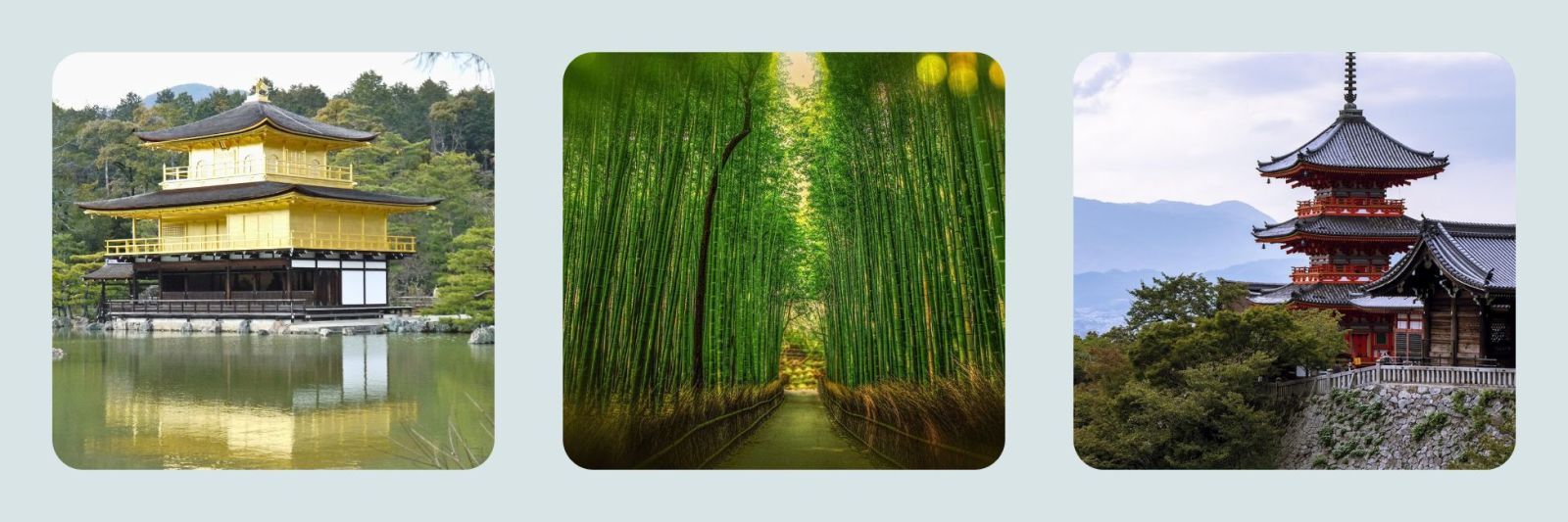
Kyoto is the Japan many people imagine before they go: temples, shrines, gardens, tea houses, traditional streets and old wooden architecture. It is one of the most important stops on a first Japan itinerary, but it can also be busy, especially during cherry blossom and autumn colour seasons.
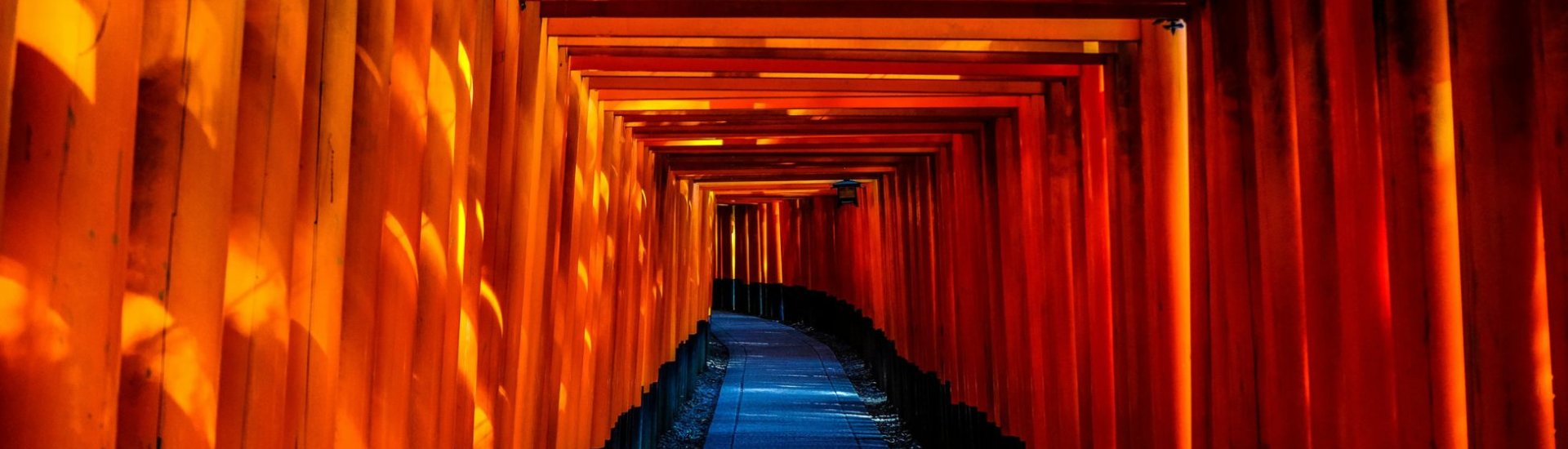
A good Kyoto stay is about choosing carefully. You might include Nijo Castle, the Philosopher’s Path, Kiyomizu-dera, Fushimi Inari, Arashiyama, tea experiences, food markets, quieter temples and evening walks through historic districts.
Kyoto is especially rewarding for travellers interested in culture, history, gardens and traditional Japan. For families, it works best when sightseeing is balanced with hands-on experiences and time to explore without overloading every day.
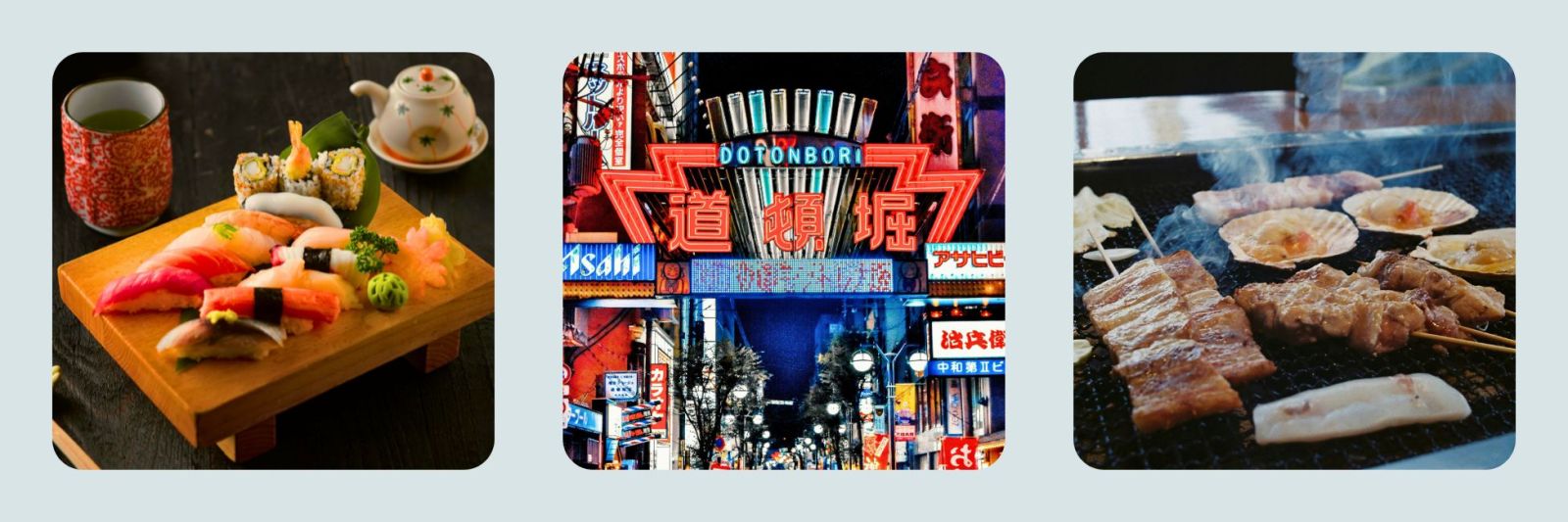
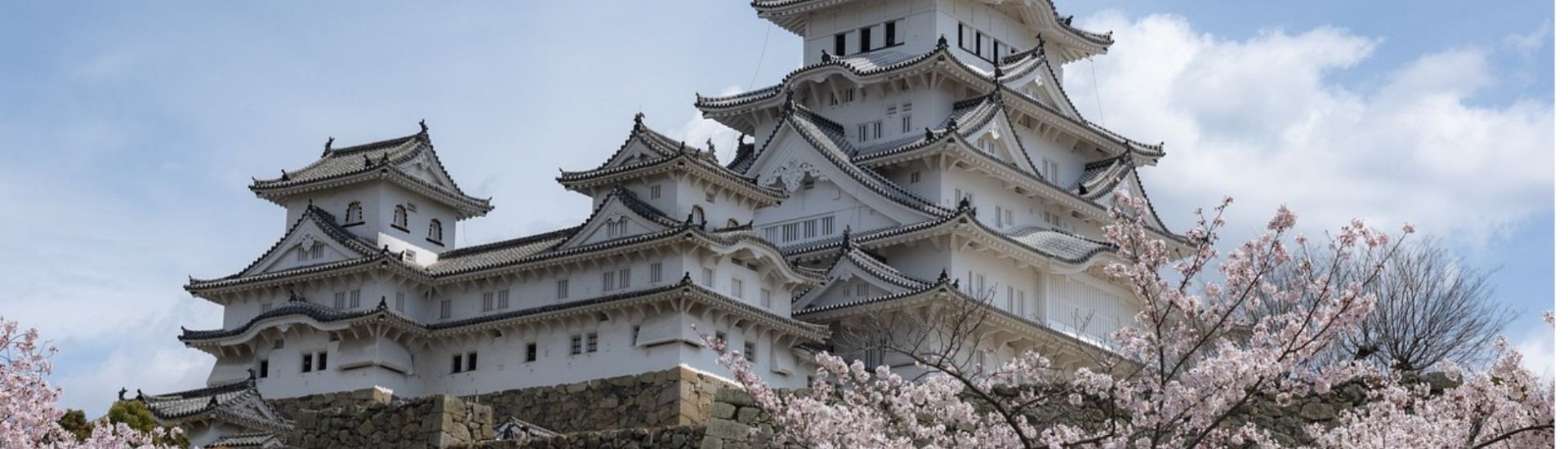
Osaka brings a different energy to a Japan holiday. It is lively, food-focused and often more relaxed than Tokyo or Kyoto. It works well as a base for Universal Studios Japan, day trips to Nara or Himeji, and evenings around Dotonbori.
Families with older children and teenagers often love Osaka because of the food, lights, theme parks and easy-going feel. Couples and grown-up families may enjoy it for street food, nightlife, markets and excellent rail connections.
Osaka can also be a practical place to finish a Japan itinerary, especially if flight routes and onward travel work well.
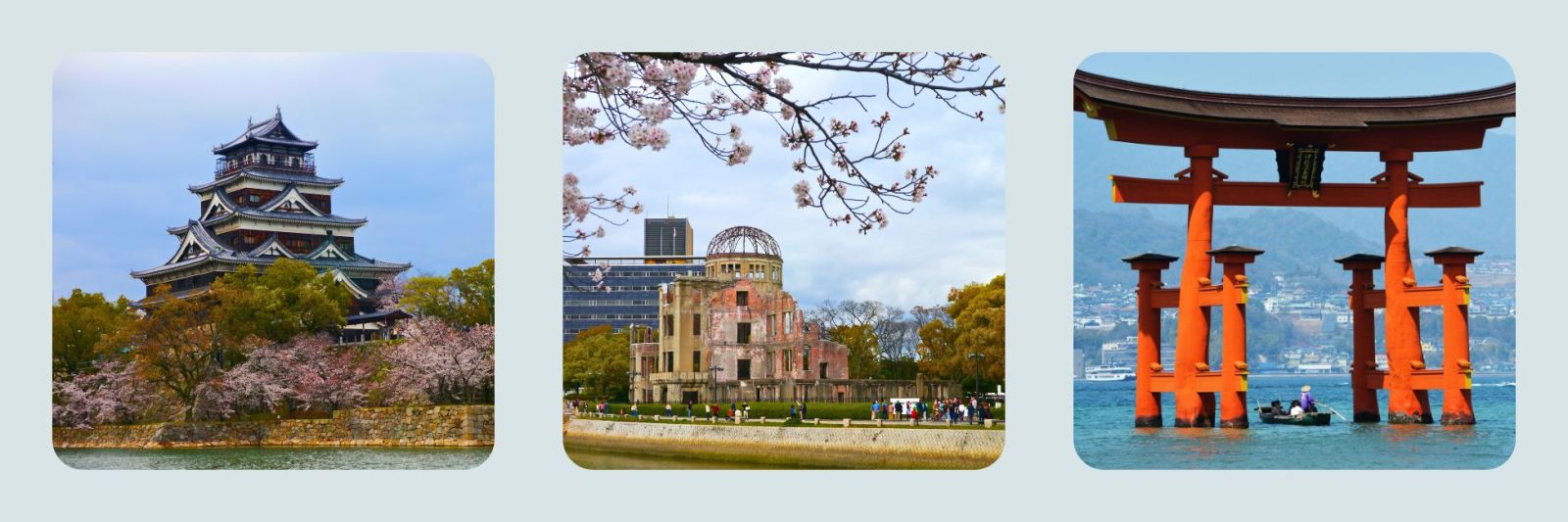
Hiroshima and Miyajima add depth, history and contrast to a Japan itinerary. Hiroshima is moving, thought-provoking and important, while nearby Miyajima offers one of Japan’s most memorable island experiences.
This combination works well for families with older children, couples, grown-up families and travellers who want their Japan holiday to include more than the classic Tokyo and Kyoto route.
It is worth planning this part carefully so it does not feel like a rushed add-on. Staying overnight can make a big difference, especially on Miyajima.
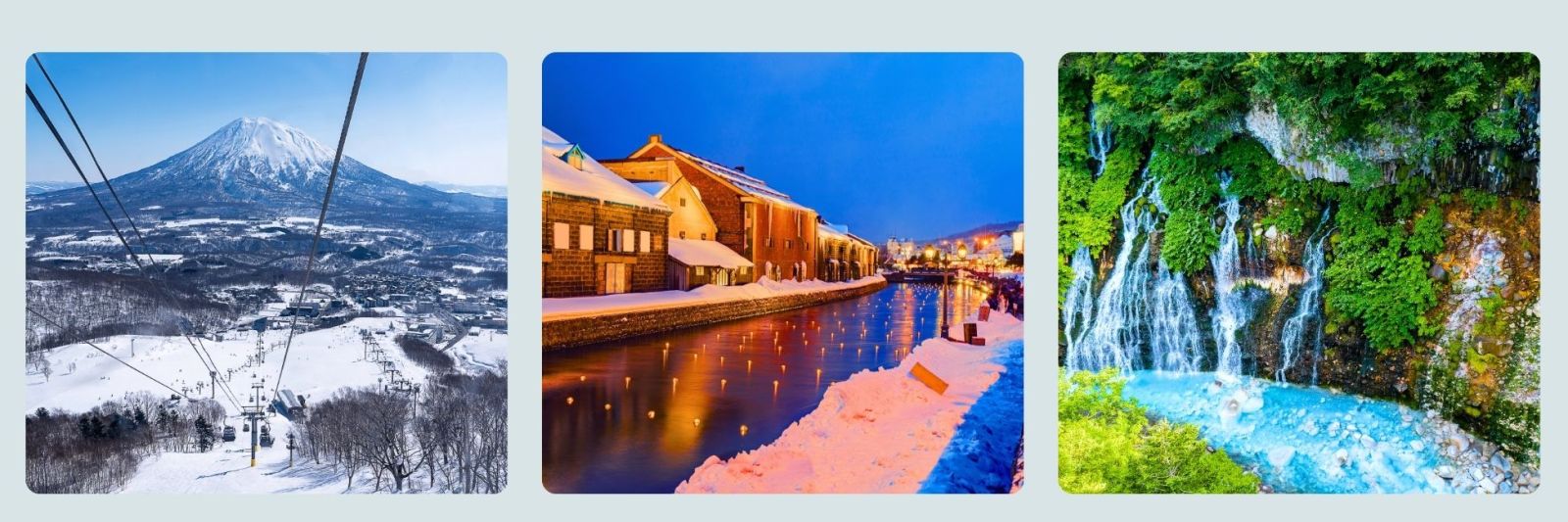
Hokkaido is Japan’s northern island, known for open landscapes, mountains, national parks, wildlife, flower fields, skiing, seafood and cooler summer temperatures.
It can be a brilliant choice for repeat visitors, nature lovers, summer school holiday travel, winter trips and travellers who want to experience a different side of Japan. It is less likely to be part of a classic first itinerary unless you have enough time, but it can be very rewarding when planned properly.
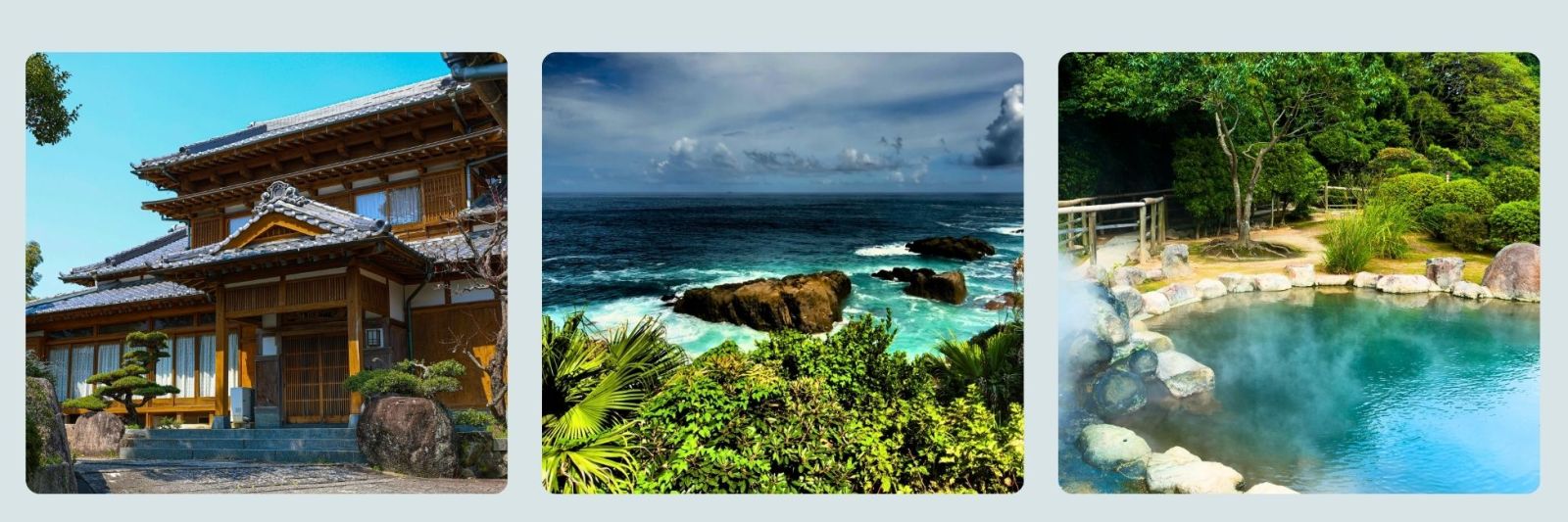
Kyushu offers hot springs, volcanoes, food, history, countryside, coastal scenery and a more off-the-beaten-track feel. It can suit travellers who have already visited Japan, or those who want a more varied itinerary beyond the standard first-time route.
It works well for couples, older travellers, grown-up families and culturally curious travellers who want a richer, less obvious Japan holiday.
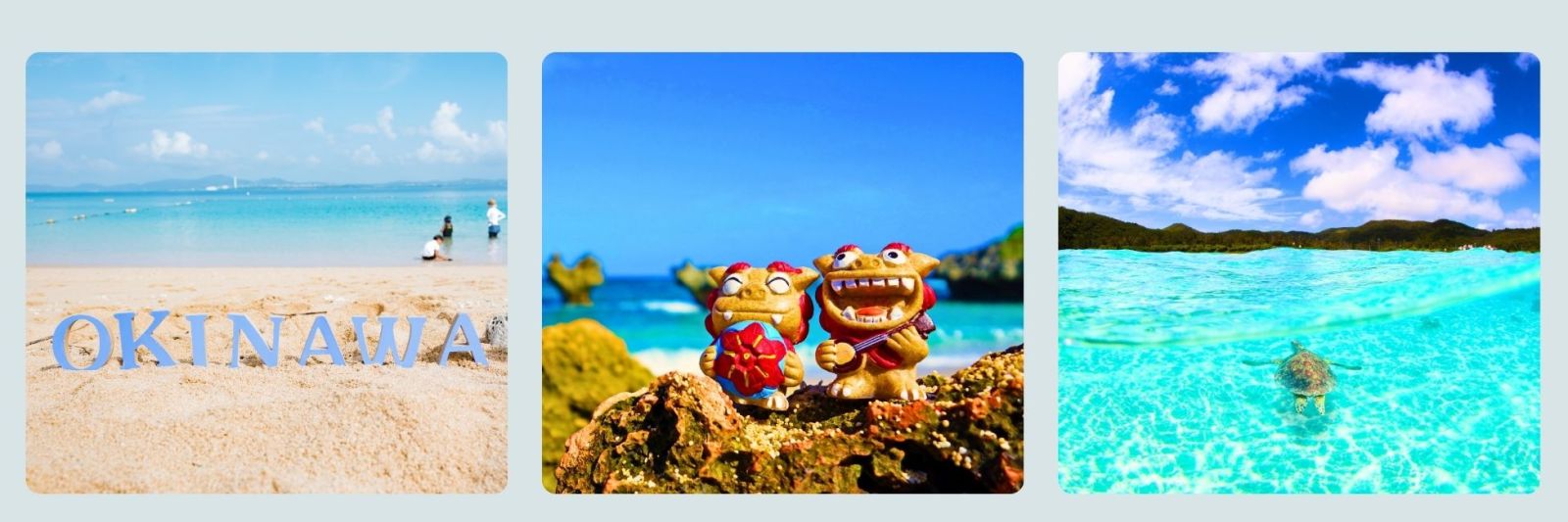
Okinawa is Japan’s tropical island region, with beaches, clear water, a distinct culture and a very different feel from mainland Japan.
It can work as a beach extension, but it needs to be chosen carefully. It is not the same experience as the Maldives, Mauritius or Thailand, and the weather, seasonality and flight logistics matter. For the right trip, it can add a fascinating contrast to a Japan itinerary.
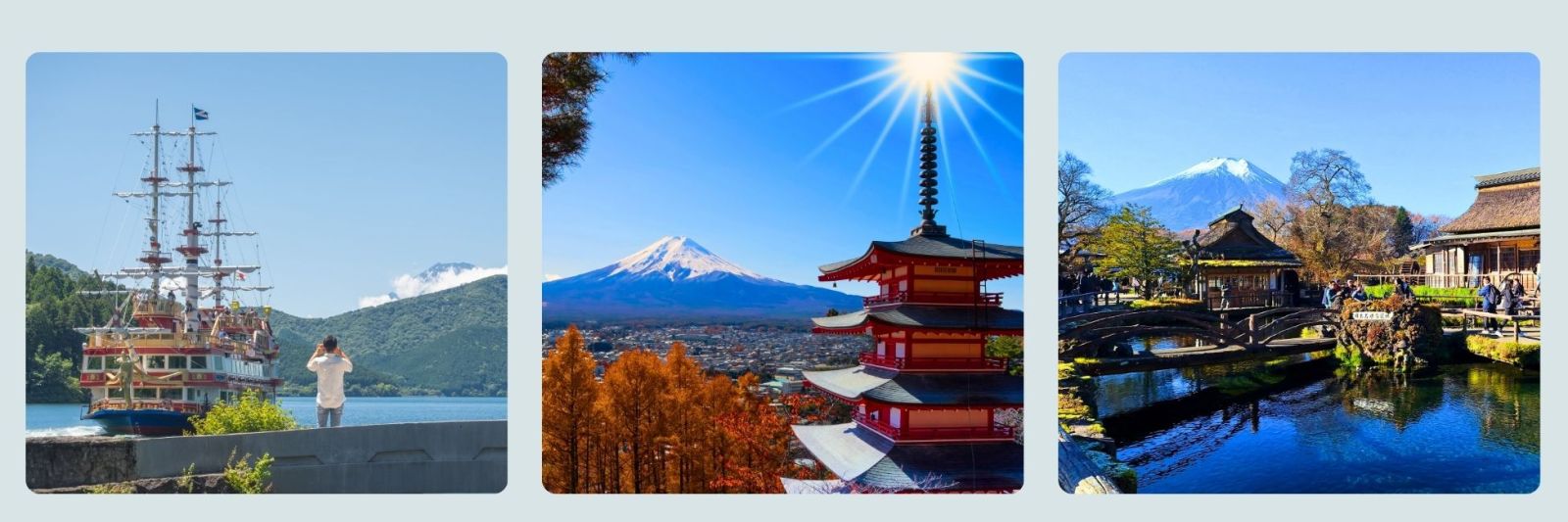
Hakone is a popular addition for travellers who want hot springs, mountain scenery, views of Mount Fuji, ryokans and a change of atmosphere between Tokyo and Kyoto.
It can work well for couples, honeymooners and older travellers who want a more traditional overnight stay. Families may also enjoy Hakone, especially if the itinerary includes trains, cable cars, lake crossings and time to slow down between bigger city stays.
Views of Mount Fuji are never guaranteed, so Hakone should be planned for the wider experience, not only for the photo.